










1. Introduction to Mythology in Modern Game Design
Mythology has long served as a rich source of inspiration for storytelling and visual aesthetics in various media, especially in modern game design. It provides a foundation of timeless narratives, archetypes, and symbols that resonate deeply with players. From the grandeur of ancient gods to heroic quests, mythological themes help create immersive worlds that feel both familiar and extraordinary.
Engaging players through mythological themes is crucial because it taps into shared cultural knowledge, evoking emotions and curiosity. This connection fosters immersion and investment, encouraging players to explore complex characters and stories rooted in age-old traditions. The purpose of this article is to explore how these mythological elements influence game mechanics, visual choices, and storytelling techniques, shaping the overall player experience.
Contents
- The Educational Foundations of Mythology in Games
- Visual Symbolism and Aesthetic Inspiration from Mythology
- Mythological Characters and Their Modern Interpretations
- Mechanics and Gameplay Inspired by Mythology
- Mythological Narratives and Storytelling Techniques
- Non-Obvious Aspects of Mythology in Game Design
- Challenges and Ethical Considerations
- Future Trends: Mythology and Emerging Technologies
- Conclusion: The Enduring Power of Myth in Game Design
2. The Educational Foundations of Mythology in Games
Mythology functions as a valuable tool for cultural literacy, offering players insights into diverse traditions and moral frameworks. When incorporated into games, myth-based narratives serve as allegories that convey ethical lessons, heroism, and societal values. For example, the heroic journeys of mythological figures often embody virtues such as bravery, sacrifice, and justice, which resonate universally.
Furthermore, mythological archetypes—such as the hero, the mentor, or the trickster—facilitate player identification and immersion. These archetypes provide familiar models for character development and decision-making within game worlds. As a result, players find it easier to relate to characters and understand complex moral dilemmas, enhancing both engagement and educational value.
Research indicates that integrating mythological elements can improve cognitive recall of cultural stories and foster a deeper appreciation for different civilizations. This educational aspect encourages players not only to enjoy the game but also to learn about the origins and significance of mythic symbols and narratives.
3. Visual Symbolism and Aesthetic Inspiration from Mythology
Visual elements in games often draw heavily from mythological symbolism, using colors, iconography, and motifs to evoke specific themes or cultural meanings. For instance, the color gold or yellow frequently signifies divinity, wealth, or enlightenment, rooted in ancient depictions of gods and sacred objects. Similarly, motifs like laurel wreaths, serpents, or celestial symbols serve as visual shorthand for deeper mythological associations.
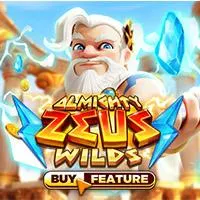
A compelling case study is the visual palette used in le zeus. The game employs yellow-gold logos, which symbolize divine power and authority, while brown frames evoke earthiness and stability. Pink-purple skies suggest a mystical atmosphere, referencing celestial realms or divine intervention. These choices are not arbitrary; they draw from mythological connotations that enhance narrative depth and aesthetic appeal.
| Color | Mythological Significance |
|---|---|
| Yellow/Gold | Divinity, power, enlightenment |
| Brown | Earth, stability, grounding |
| Pink/Purple | Mysticism, celestial realms |
4. Mythological Characters and Their Modern Interpretations
Modern game designers frequently reimagine gods, heroes, and monsters from mythological traditions to create compelling characters that resonate with contemporary audiences. These reinterpretations often blend traditional traits with innovative features, making mythological figures accessible and engaging in new contexts.
Weapons and artifacts rooted in mythology influence game mechanics significantly. For example, mythological weapons like Thor’s hammer or the Greek thunderbolt symbolize authority and divine power, inspiring gameplay mechanics that revolve around power-ups, special abilities, or unique combat styles.
A quintessential example is Zeus, whose thunderbolt symbolizes divine authority and immense power. In many modern games, this attribute is depicted as a formidable weapon or a signature ability, reinforcing the character’s status as a supreme deity and a force to be reckoned with. These elements serve to establish narrative credibility and deepen character development.
5. Mechanics and Gameplay Inspired by Mythology
Incorporating mythological themes into core gameplay mechanics can enhance player engagement and immersion. For instance, games may feature divine intervention, transformation, or mystery as central elements, drawing directly from mythic stories.
Symbolic transformations, such as characters gaining divine powers or undergoing metamorphosis, reflect mythological motifs of change and enlightenment. Mystery elements—like hidden knowledge or divine revelations—heighten suspense and encourage exploration.
A notable example is the “Mystery Reveal” feature in le zeus. This mechanic symbolizes divine intervention and divine revelation, mirroring myths where gods reveal their will or assist heroes at pivotal moments. Such features deepen gameplay by intertwining mechanics with mythological symbolism.
6. Mythological Narratives and Storytelling Techniques
Embedding mythological stories within game plots enriches narrative depth and provides familiar frameworks for storytelling. Conflicts often mirror mythic struggles—good versus evil, chaos versus order—and resolve through heroism, sacrifice, or divine intervention.
Game developers utilize mythological conflicts and resolutions to craft compelling arcs that resonate universally. For example, a game might depict a hero’s journey akin to Odysseus’s odyssey, emphasizing perseverance and divine assistance.
The storytelling approach in le zeus reflects mythological heroism and divine drama, illustrating how mythic themes can be woven seamlessly into modern narratives to evoke a sense of grandeur and timelessness.
7. Non-Obvious Aspects of Mythology in Game Design
Beyond direct references, mythological elements can be subverted or reinterpreted to foster innovation. This can lead to unique gameplay experiences that challenge traditional narratives or symbols.
Cultural sensitivity is paramount when adapting mythological themes for diverse audiences. Developers must avoid stereotypes and ensure respectful representation, especially for indigenous or less familiar mythologies.
Psychologically, myth symbols can influence player engagement by tapping into subconscious associations—such as the power of the hero archetype—enhancing motivation and emotional investment.
8. Challenges and Ethical Considerations
Designers face the challenge of respecting the cultural origins of mythological content while avoiding stereotypes or misappropriation. Engaging with cultural consultants or scholars can aid in creating authentic and respectful representations.
Balancing educational value with entertainment requires careful integration. Mythological themes should enhance gameplay without becoming didactic or culturally insensitive.
Ultimately, game designers bear responsibility for ethical storytelling, ensuring that mythological elements are used thoughtfully and respectfully, fostering understanding rather than perpetuating misconceptions.
9. Future Trends: Mythology and Emerging Technologies
Emerging technologies like augmented reality (AR) are opening new avenues for myth-inspired environments. Imagine players exploring ancient mythological worlds layered onto real-world locations, creating immersive educational experiences.
Procedural myth generation, where stories or mythic elements are dynamically created, offers personalized and evolving narratives, enhancing replayability and engagement. This approach can simulate divine or mythic unpredictability, adding depth to gameplay.
As technology advances, games like le zeus exemplify how mythological themes can adapt and evolve, blending timeless stories with cutting-edge innovation for future audiences.
10. Conclusion: The Enduring Power of Myth in Game Design
Mythology continues to profoundly influence modern game design, shaping visual aesthetics, narrative depth, and gameplay mechanics. Its symbols and stories provide a universal language that enhances engagement and educational value.
As technology progresses, the potential for myth-inspired innovation expands, promising even richer, more immersive experiences. The integration of myth and modern game development underscores the enduring relevance of these ancient stories in captivating contemporary audiences.
In embracing mythological themes thoughtfully and respectfully, game designers can create worlds that are not only entertaining but also meaningful and culturally enriching, ensuring that the power of myth remains alive in the digital age.